AI Agents: The Difference Between a Chatbot and a Digital Employee
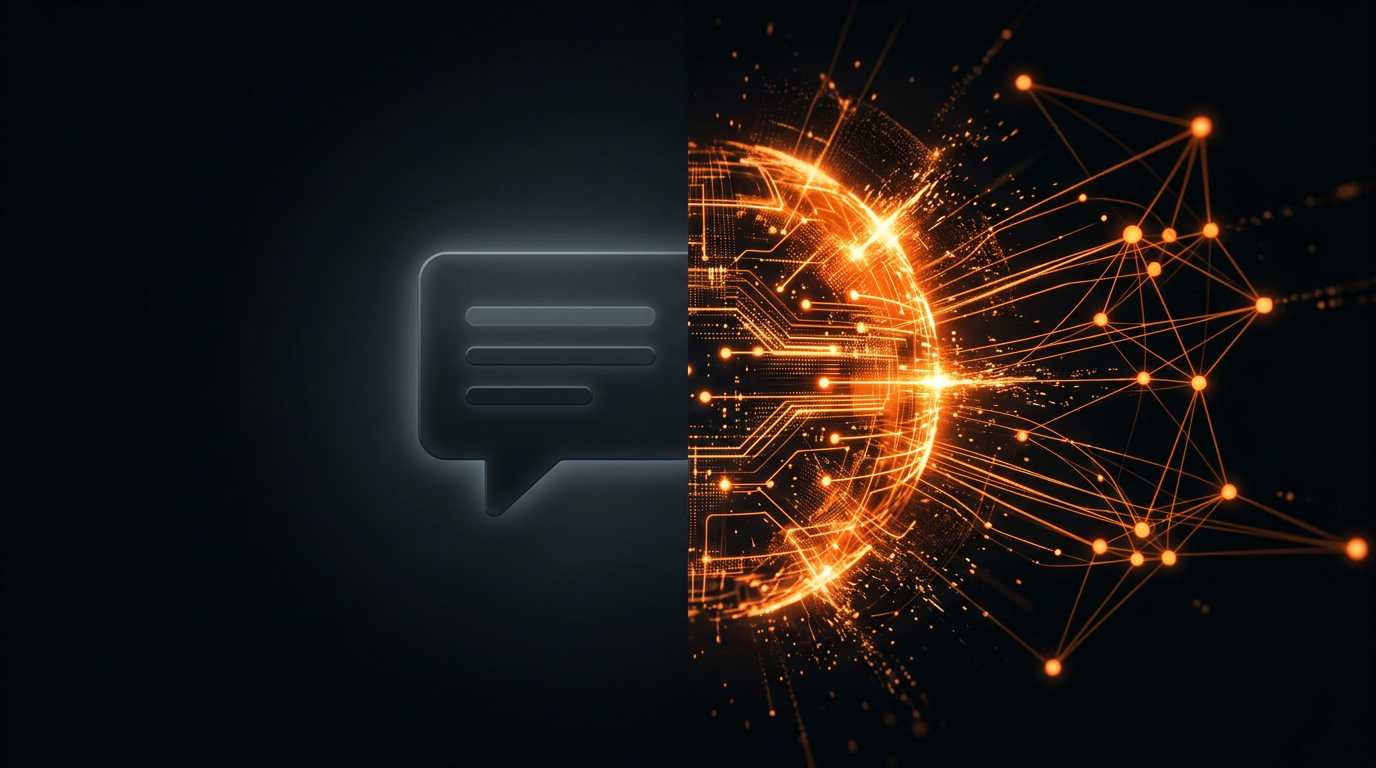
When people talk about “AI for business”, they usually have a chatbot in mind.
A dialog box on a website. An assistant that answers “What are your opening hours?” with the opening hours. A system that says “I don't understand your question, could you rephrase it?”
That's a chatbot. And while it has its uses, it's far from what an AI agent can do.
The fundamental difference
A chatbot reacts. An agent acts.
A chatbot responds to what you ask it. An agent understands your context, anticipates what you need and takes initiative without being asked.
A chatbot doesn't remember yesterday's conversation. An agent has persistent memory — it knows who you are, what you've discussed before, what your priorities are.
A chatbot runs a script. An agent reasons, evaluates options and chooses the most appropriate action based on the situation.
In practice, what changes?
Chatbot: The customer asks if there's availability for Tuesday. The system replies with a link to the calendar.
AI Agent: The agent sees that the customer is recurring, that their last purchase was three months ago, that there's an unresolved query pending, and responds with availability + a summary of the situation + a proposed next step.
Chatbot: You ask what you have pending today. The system lists the tasks.
AI Agent: Without you asking anything, at 8:00 AM it alerts you that you have a meeting in two hours, that there's an urgent email from a client and that the deadline for a proposal expires tomorrow.
Why it matters now
AI agents are not science fiction. They're what pinza.ai puts in the hands of any freelancer or SME today, without needing a technical team, without their own infrastructure.
The difference between a chatbot and an agent is the difference between an answering machine and a person who works for you. The leap is enormous — and the price, surprisingly accessible.